The short answer
Old wiring in a Kent home isn’t automatically dangerous, but we recommend a professional inspection within 1–3 years or immediately if you see signs of damage.
Old wiring should be assessed when it shows cracked cable insulation, loose sockets, repeated tripping, scorch marks, tingling from metal fittings or an ageing consumer unit lacking modern protective devices such as an RCD. Health risks include electric shock, burns and fire where deteriorated cables or unsafe connections are present.
Don’t hide warning signs with extensions, adaptors or cosmetic repairs; isolate any affected circuit if it appears unsafe and arrange for a qualified electrician to inspect and repair it. For homeowners an Electrical Installation Condition Report (EICR) provides a clear record of the installation’s condition and recommended remedial work. Landlords must obtain a satisfactory EICR at least every five years to meet legal requirements.
Why this happens
- Lights that dim or flicker when you turn on the kettle or toaster.
-
Usually means a high-demand appliance is drawing a lot of current on an older or overloaded circuit.
-
Lights that flicker or blink for no obvious reason.
-
Often caused by loose wiring or a poor connection somewhere in the circuit.
-
A plug or switch that feels warm or hot to the touch.
-
Typically indicates a loose connection or overloaded circuit creating excess heat.
-
Sockets that don’t work intermittently or stop and start when you wiggle a plug.
-
Usually a loose or damaged socket, or worn wiring behind it.
-
Fuses or circuit breakers that trip frequently, especially on specific appliances.
-
Means the circuit is overloaded, has a fault, or an appliance is drawing too much current.
-
A burning smell, or scorch marks around sockets or switches.
-
A sign of overheating or arcing in the wiring that needs immediate attention.
-
Old, cracked, sticky or brittle-looking cable insulation in accessible areas (loft, basement, behind appliances).
-
Indicates aged wiring that may expose conductors and become unsafe.
-
Switches that are stiff, loose, or make a crackling sound when used.
-
Often a worn or damaged switch contact that could arc or fail.
-
Metal faceplates that are warm or give a small shock when touched.
-
Suggests earthing problems or a live conductor touching the metalwork.
-
Lights or sockets that work fine one day and fail the next, with no apparent pattern.
-
Can point to deteriorating connections or intermittent faults developing over time.
-
New appliances tripping breakers or causing noticeable changes to other circuits when installed.
-
Suggests the existing circuits were not designed for the increased load.
-
DIY-installed sockets, switches or wiring that look untidy, have improper connections, or are missing cover plates.
-
Likely installed incorrectly or without proper protection; may lack proper earthing or safe joints.
-
Areas of the house (especially older or period properties) where wiring looks different from the rest or hasn’t been touched for decades.
- Older wiring types can be unsafe or not suited to modern electrical demand and may need upgrading.
What to check first
Before touching anything, check for immediate dangers: burning smells, scorch marks, buzzing, warm sockets or switches, electric shocks, or repeated tripping at the consumer unit. Do not remove covers, probe live terminals or repeatedly reset devices. Note which circuits are affected, when faults occur and whether they coincide with using a particular appliance. If you suspect an immediate danger, isolate the circuit at the consumer unit where safe to do so and contact a qualified electrician; members of the public should not assume they have a legal duty or competence to make complex repairs.
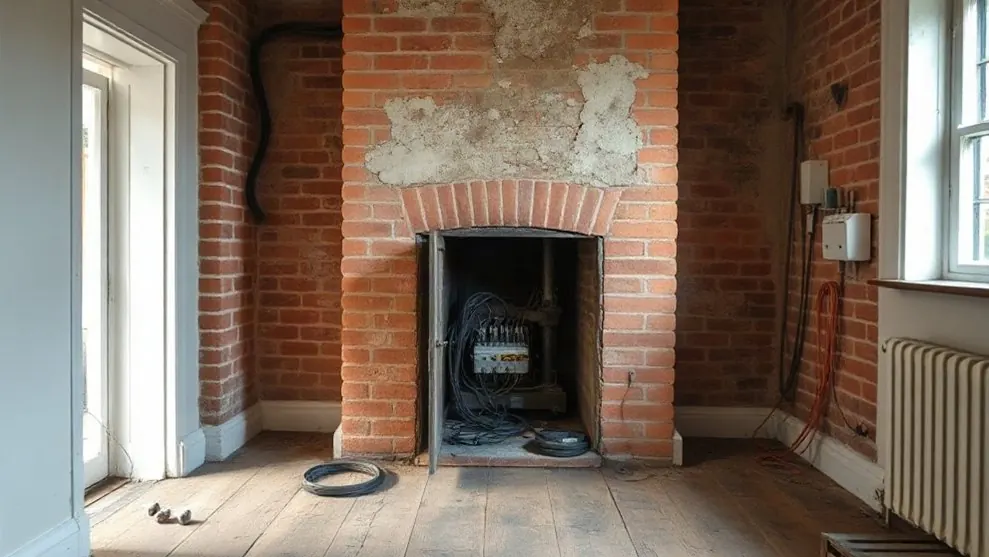
Next, look for visible age-related clues without disturbing wiring: brittle cable sheathing, cracked accessories, loose faceplates, discolouration and old-style fuse carriers. In Victorian terraces, insulation on accessible cables can crack or become rubbery; in post‑war homes, aluminium conductors or mixed cable types may be present. These observations are not a formal safety inspection and do not replace an electrician’s legal duty to carry out a competent inspection and any required remedial work under applicable regulations.
Record what you find, including photographs taken from a safe distance. Continuity or live testing should only be carried out by a competent person using suitable test equipment after isolating the circuit; it is unsafe and incorrect to test by guesswork.
When to call an electrician
Call a qualified electrician promptly if you notice burning smells, scorch marks, buzzing, shocks, overheating accessories or repeated tripping at the consumer unit — these symptoms can indicate damaged insulation, loose connections, overloaded circuits or ageing protective devices. Don’t keep resetting a tripped circuit, cover a damaged socket, or continue using an appliance that causes heat or sparking.
Use a simple safety checklist: switch off the affected circuit if it’s safe to do so, unplug equipment where possible, keep people away from damaged accessories, and note when the fault occurs. We recommend urgent professional inspection after floodwater exposure, for visible rubber or fabric-covered cable, where aluminium wiring is present, or if lighting performance changes.
Note: there is no general legal obligation on householders to have work carried out by a particular company, though certain types of electrical work (for example some notifiable work in England and Wales) must be notified to the local building control or completed by a qualified person to meet Building Regulations; where applicable, a competent electrician should advise on compliance for your property. For listed or period homes, we will assess the installation carefully, identify any immediate risks, and advise what should be done to make the installation safe and compliant.
What it costs to fix
Once the immediate risk is controlled, we’ll explain the likely repair options and give you a fixed written price before work starts. Our cost breakdowns cover parts, labour, testing, certification and VAT, so you can compare safety work clearly.
| Repair | Price |
|---|---|
| Fault finding | £80/hour; most faults take 1–2 hours |
| Consumer unit replacement | £500–£700 |
| Partial rewire | £1,200–£3,000 |
A full three-bedroom rewire is £4,500–£8,000 where ageing cable needs thorough replacement. An EICR costs £150–£250 for homes up to three bedrooms and helps us identify the scope before repairs. We’ll isolate unsafe circuits where necessary, test completed work, and issue the appropriate certificate. Ask us about funding options for eligible EV chargepoint installations. Plaster repairs, decoration, asbestos removal, supply-upgrade charges and access equipment aren’t included.
What we see around Maidstone
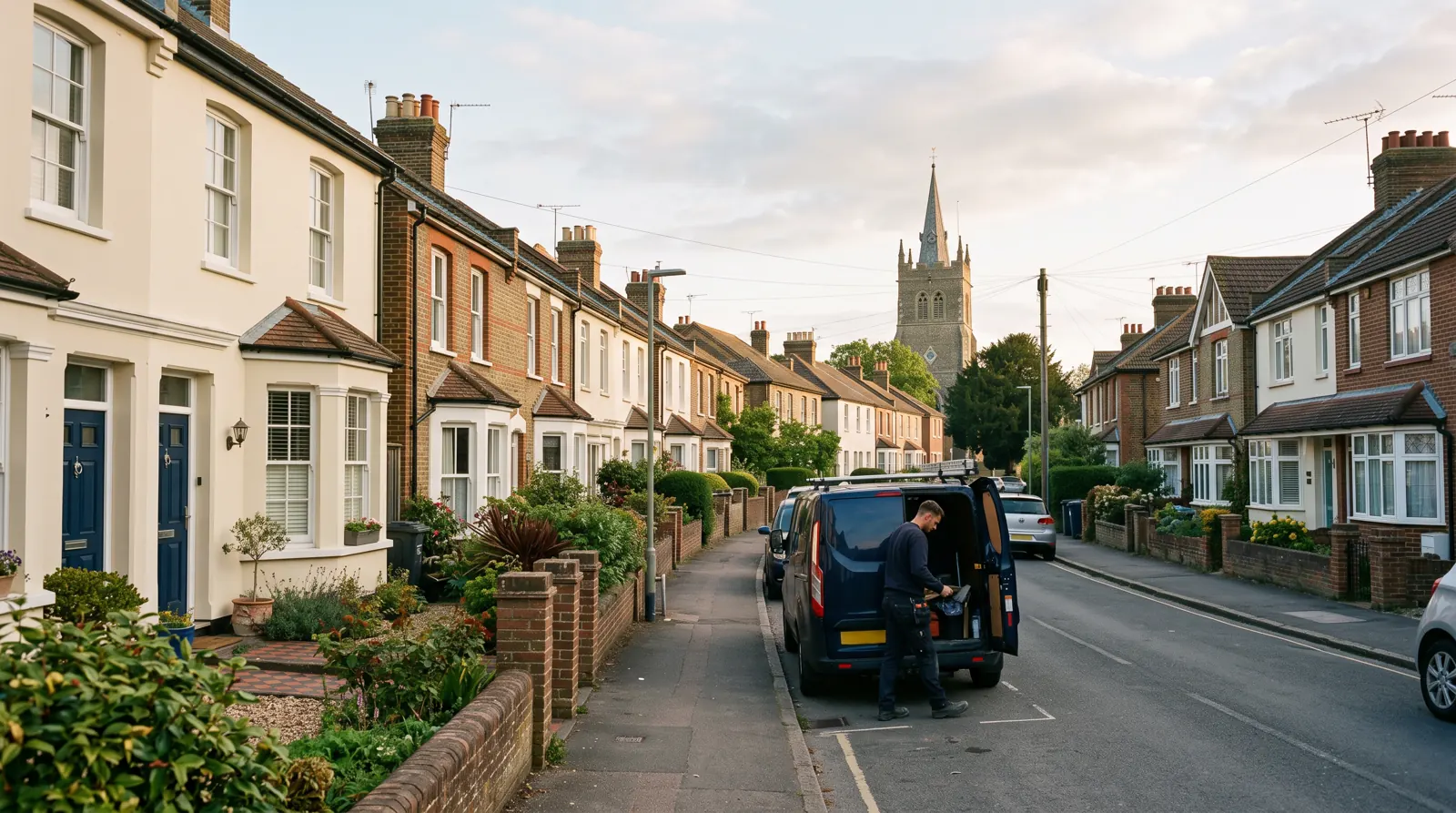
Around Maidstone we regularly encounter VIR (vulcanised India rubber) and rubber-insulated cable in Victorian terraced houses in the Tovil and town-centre conservation areas, where many properties date from the mid-to-late 19th century. In post-war semi-detached and short-terrace houses built in the 1950s and 1960s in Shepway, Park Wood and Senacre we sometimes find branch circuits replaced with aluminium conductor cable during 1960s–1970s alterations. In those Tovil terraces the rubber insulation can look intact externally yet be brittle and prone to cracking; in Shepway, Park Wood and Senacre we specifically check aluminium terminations for compatible clamps and for evidence of overheating or loose connections.
When inspecting estate properties built in the 1960s–1980s around Park Wood and parts of Shepway, we often find runs of estate rubber cable concealed behind later consumer units or accessory plates where partial rewiring has been carried out. In properties close to the River Medway and the lower-lying riverside streets of Maidstone town centre and certain Grove Green roads, we pay particular attention to flood-prone electrics: we inspect consumer units, socket and switch accessories, likely concealed wiring routes and for any signs that water ingress has affected installation condition.
In the older suburban and semi-rural houses of Grove Green and Vinters Park — many of which were built in the 1930s–1960s — and in the listed buildings near the town centre and in parts of the Vinters Park conservation area, we plan sympathetic, documented upgrade work that takes account of historic fabric and any heritage constraints. At every stage we assess visible cable condition, protective devices, bonding arrangements and signs of previous alterations specific to each Maidstone neighbourhood before recommending next steps.